
How to Organize a Wine Cabinet for Easy Access & Aesthetic Display
How to Organize a Wine Cabinet for Easy Access and Aesthetic Display?
Step 1: Prep & Sort Your Wine Collection First
Categorize by Usage & Priority
-
Everyday Wines: Bottles you drink regularly (e.g., weeknight reds, go-to whites). These belong in the most accessible spots—eye level or within arm’s reach.
-
Special Occasion Wines: Premium bottles for celebrations or gifting (e.g., aged cabernet, vintage champagne). Store these in slightly less accessible areas but still visible for display.
-
Aging Wines: Wines that need months or years to mature (e.g., Bordeaux, Barolo). These require dark, consistent-temperature spots (typically the bottom of the cabinet or a dedicated aging compartment).
Secondary Sorting Options
-
By Wine Type: Group reds, whites, rosés, sparkling, and fortified wines (port, sherry) separately. This helps you quickly locate the style you’re craving.
-
By Region/Varietal: For serious collectors, sort within types (e.g., Pinot Noir, Cabernet Sauvignon, Chardonnay) or regions (e.g., Napa Valley, Tuscany, Bordeaux). Add small, sleek labels to sections for clarity.
-
By Bottle Size: Separate standard 750ml bottles from magnums (1.5L), splits (187ml), or wine boxes. This prevents overcrowding and maintains a neat appearance.
Step 2: Follow Wine Storage Rules for Freshness
-
Store Horizontally (Most Wines): Red, white, and rosé wines should lie on their sides to keep the cork moist. A dry cork shrinks, letting air seep in and spoil the wine. Use slatted racks or wine grids to hold bottles securely.
-
Vertical Storage for Sparkling & Fortified Wines: Sparkling wines (champagne, prosecco) and fortified wines (port, madeira) can stand upright. Their higher alcohol content keeps corks moist, and vertical storage prevents pressure buildup in the bottle.
-
Avoid Light & Heat: Keep bottles away from direct sunlight or heat sources (e.g., stovetops, ovens, under-cabinet lights). UV rays and temperature fluctuations damage wine—aim for a consistent 45–65°F (7–18°C).
-
Leave Space for Airflow: Don’t overcrowd the cabinet. Leave 1–2 inches between bottles and the back/walls to allow air circulation, which helps maintain stable temperatures.
-
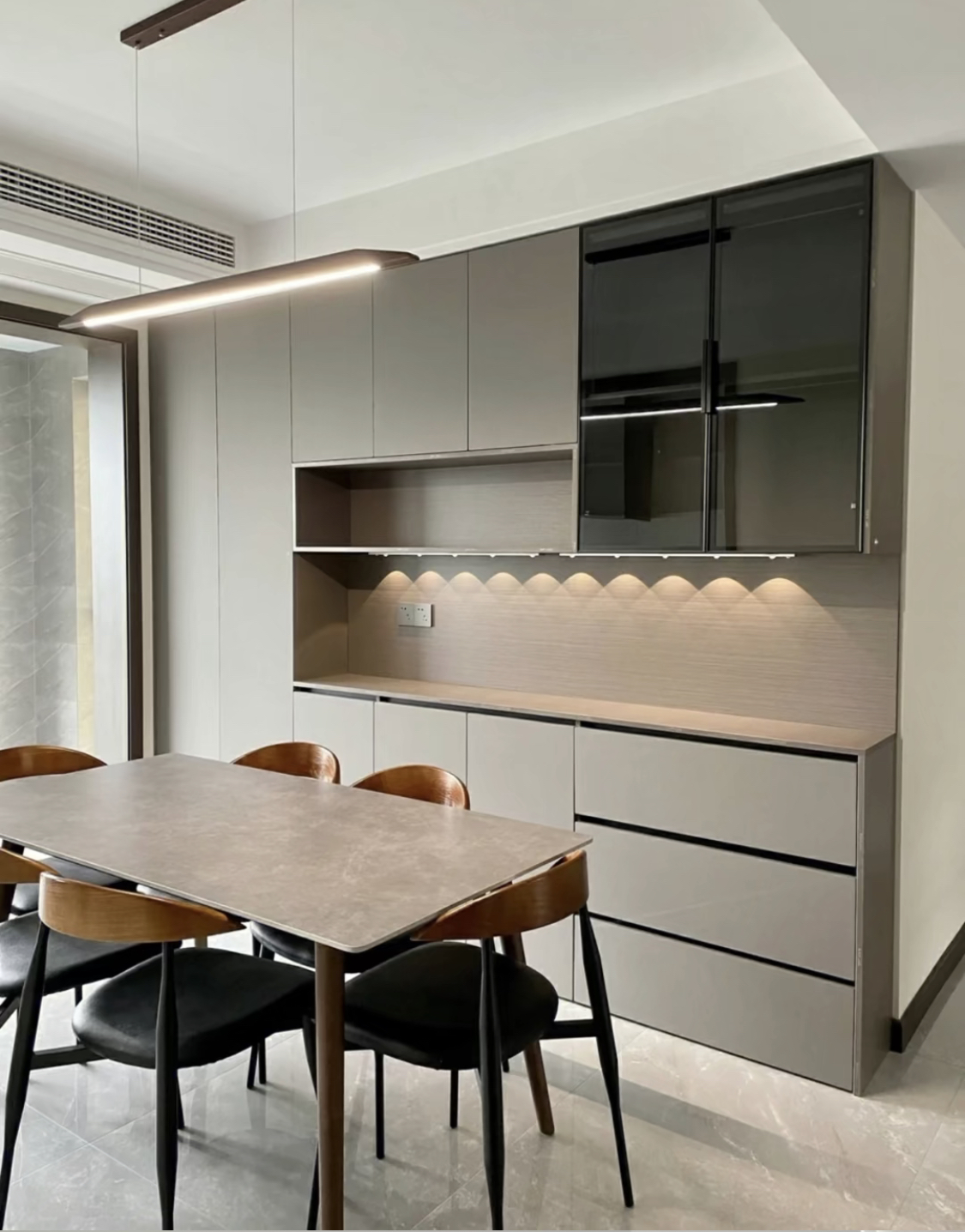
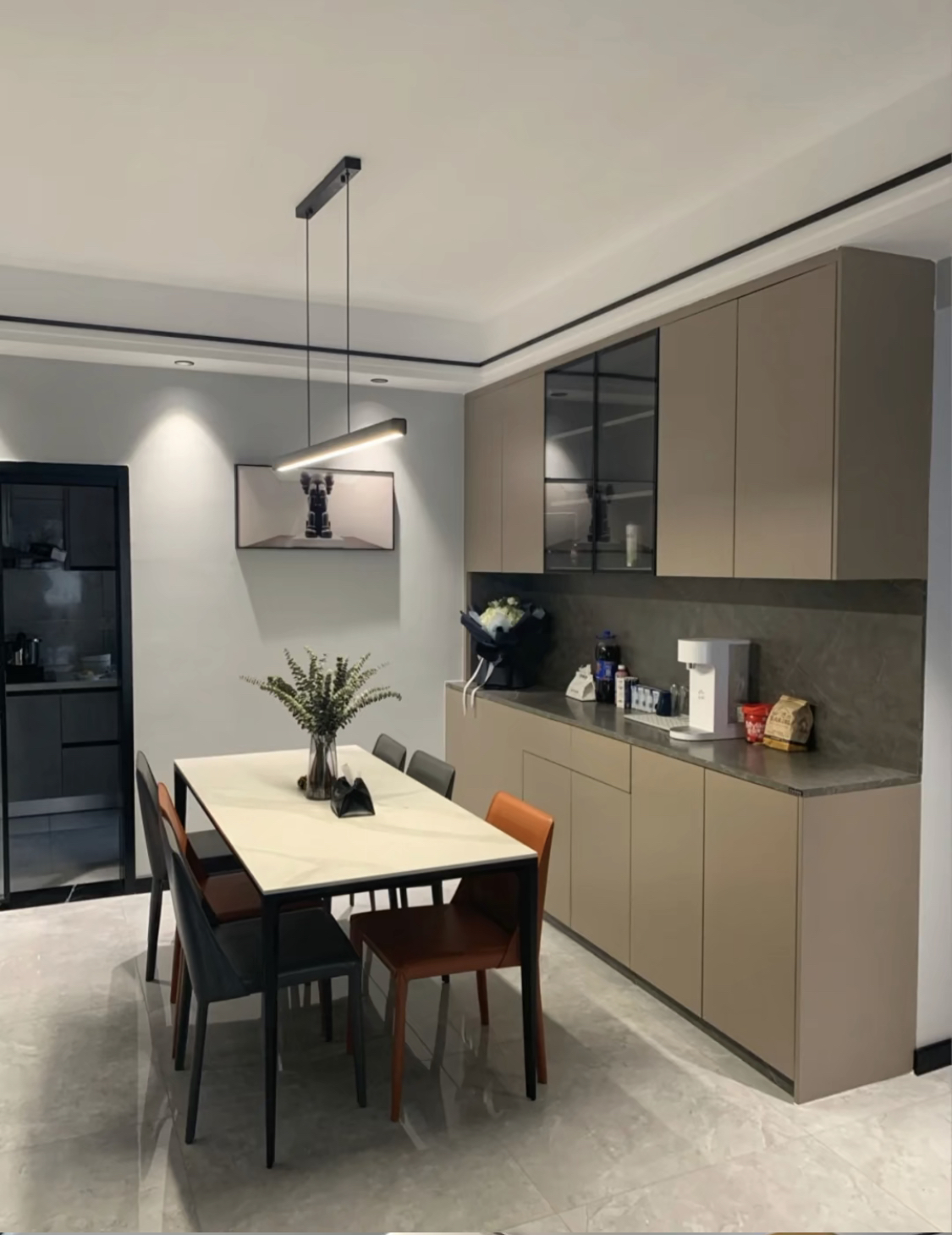
Step 3: Maximize Space for Easy Access
Leverage Cabinet Zones
-
Eye Level: Reserve for everyday wines and special occasion bottles you want to showcase. This is the most visible and easy-to-reach zone.
-
Below Eye Level (Knee to Waist): Store less-frequently used wines (e.g., aging bottles) or accessories (wine openers, aerators).
-
Top Shelf: Use for decorative items (wine glasses, decanters) or large-format bottles (magnums) that are too tall for lower shelves.
-
Bottom Shelf: Ideal for heavy bottles or aging wines, as it’s cooler and less exposed to light.
Invest in Smart Storage Tools
-
Wine Racks: Slatted wooden or metal racks hold bottles horizontally and create visual interest. Opt for stackable racks for small cabinets or built-in racks for custom units.
-
Pull-Out Drawers/Baskets: Perfect for storing bottles vertically or holding accessories. Pull-out designs let you access the back of the cabinet without moving front bottles.
-
Wine Cubes/Grids: Cube organizers divide shelves into sections, keeping bottles upright and preventing them from rolling. Great for small cabinets or countertop units.
-
Under-Shelf Racks: Utilize vertical space by adding racks under shelves to hang wine glasses, freeing up shelf space for bottles.
Step 4: Style for Aesthetic Display
Create Visual Balance
-
Mix Horizontal & Vertical Storage: Alternate rows of horizontally stored bottles with vertical displays (e.g., a row of sparkling wines) to add dimension. Avoid monotony by varying rack heights.
-
Play with Color: Wines come in a spectrum of bottle colors—deep greens, clear, amber, and even matte black. Arrange bottles by color gradient (light to dark) for a cohesive look, or group contrasting colors for a bold statement.
-
Limit Clutter: Leave 10–15% of shelf space empty to avoid a cramped look. Negative space lets your collection breathe and highlights key bottles.
Add Decorative Accents (Without Overdoing It)
-
Wine Glasses & Decanters: Hang stemless glasses under shelves or display a sleek decanter on the top shelf for elegance.
-
Greenery: Add a small potted succulent or sprig of eucalyptus to a shelf—just ensure it doesn’t block light or airflow.
-
Labels & Art: Use minimalist wooden or metal labels to mark sections (e.g., “Everyday Reds”) or frame a small wine-themed print to hang above the cabinet.
-
Lighting: Install warm LED strip lights inside the cabinet to illuminate bottles (avoid bright white lights, which damage wine). This highlights your collection and creates a cozy ambiance.
Tips for Specific Wine Cabinet Types
Small Countertop Wine Cabinets (6–12 Bottles)
Built-In Wine Cabinets (12–50 Bottles)
Luxury Wine Cellars/Custom Units (50+ Bottles)
Maintenance: Keep Your Wine Cabinet Organized Long-Term
-
Rotate Bottles Regularly: When adding new wines, place them at the back of the shelf and move older bottles to the front (FIFO method: first in, first out) to avoid spoilage.
-
Dust Monthly: Wipe down shelves, racks, and bottles to keep the cabinet looking clean and prevent dust buildup.
-
Update Inventory: Keep a digital or physical list of your collection (note vintage, varietal, and drinking window) to avoid duplicate purchases and track aging wines.
-
Adjust Seasonally: In warmer months, move aging wines to the coolest part of the cabinet; in winter, ensure bottles aren’t exposed to drafty areas.

Maintenance Tips to Keep Your Custom Luxury Kitchen Cabinets Looking Brand New

Custom Made Kitchen Cabinets vs. High-End Semi-Custom: The Definitive Quality & Durability Showdown (2026 Guide)

12 Reasons Why Custom Solid Wood Kitchen Cabinets Are the Only Investment That Truly Adds Value to Your Home
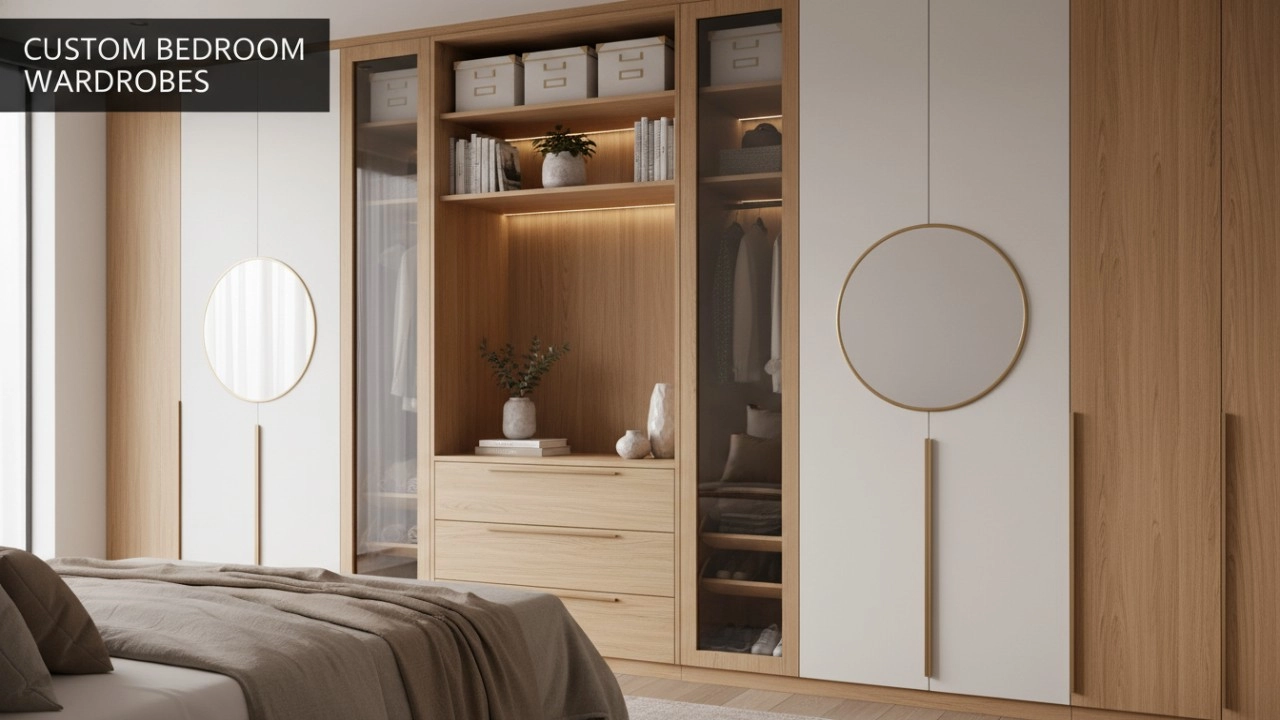
Bespoke Luxury: 7 Modern Trends in Custom Made Bedroom Wardrobes That Are Going Viral
FAQ
What's lead time for furniture cabinets?
It's about 20 - 30 days.
Can we produce products according to customer's room size?
Yes. All our cabinets are custom size.
What information are needed for getting a quote for our furniture cabinets?
Your size infomation or room drawings.
What's the payment terms of all our products?
T/T (30% inadvance, the balance shall be paid off before delivery), Western Union or L/C.
Can we ship the furniture cabinets to customer's port or city?
Yes. Please provide the city name or port name when you send us an inquiry.

PET Metal Brass Kitchen Cabinet
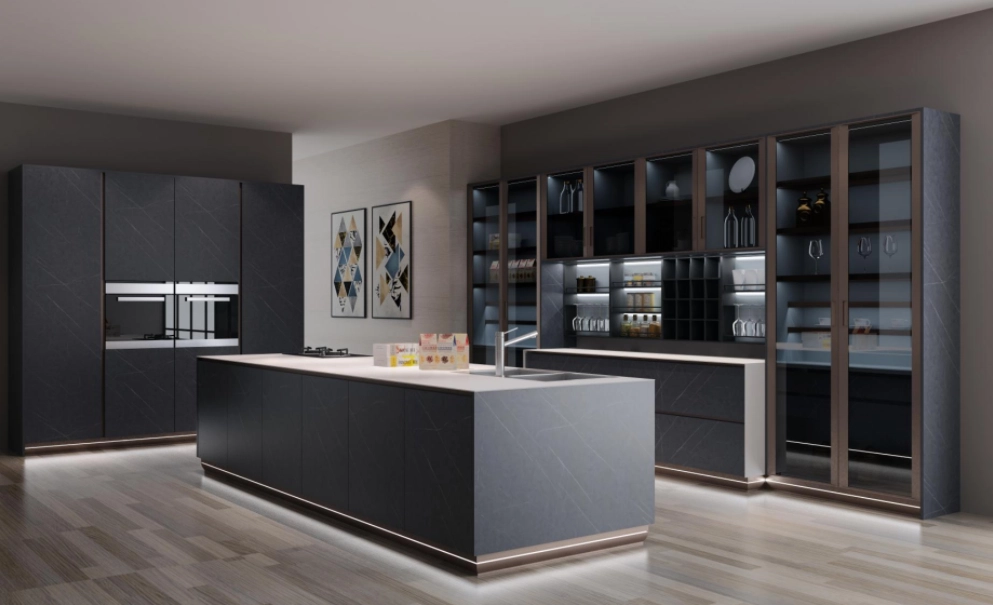
Aluminum Frame Glass Door Kitchen Cabinet

Custom Acrylic Laminate Kitchen Cabinets | Komox Smart Home | High-Gloss, Eco-Friendly, Durable

Custom Black & Gold Marble Modular Cabinet System
Request a Free Consultation And Price Estimate
Get in touch with Komox today for a personalized consultation, and let us bring your vision to life. Fill out the form below or contact Komox directly to start your journey toward a beautifully tailored home!"
Copyright © 2026 Komox All Rights Reserved.

Get a free quote
Hi,
Transform your space with MURANO's custom serve. Contact us for a personalized consultation and bring your vision to life. Start your journey to a tailored home today!
Have a specific project?
😎Hi,
-
If you are interested in our products/custom services or have any questions, please let us know so that we can better assist you.
Send my request
Hi,
Transform your space with MURANO's custom serve. Contact us for a personalized consultation and bring your vision to life. Start your journey to a tailored home today!
Custom Furniture Everyone’s Talking About!
😎Hi,
-
Create your dream space with our most popular custom designs — stylish, functional, and built to last.
Whatsapp: +8618274867221
Scan QR Code